Did you know that chess has more possible game variations than the total number of atoms in the observable universe? It’s a game that demands critical thinking, foresight, and strategic prowess.
Dating back centuries, it remains a timeless test of mental acuity and skill. Whether you’re just starting or aiming to improve your game, understanding its complexities can shed light on why it’s revered as the leader of all board games.
The road to mastery may seem misty at first, but with the right approach and mindset, anyone can make significant strides on this intellectual battlefield.
Grasping Chess Basics
To play a chess game the best way, one must put in a little bit of hard work. Advanced players know that this board game can be won in different ways, and typically the stronger player or the chess enthusiasts are the ones to be the winner.
The important thing to remember is that it is a game of skill, so having problem-solving skills is important. For the best results, it’s a good idea to learn the rules of this game of strategy so that you know the best move for the chess pieces.
Below you’ll learn a bit about the rules of chess, the importance of pattern recognition, and the tips to follow to become the top player and maybe even the chess grandmaster!
Learning Piece Movements
Understanding how each piece moves is fundamental. Each piece has its unique way of moving on the board. The pawn, for example, can move forward but captures diagonally. On the other hand, the knight moves in an L-shape pattern.
Mastering piece movements is essential for strategic play. By understanding how each piece can move and capture opponents’ pieces, players can plan their attacks and defenses effectively.
For instance:
- A player needs to know that a bishop can only move diagonally across the board.
- Knowing that a rook moves horizontally and vertically helps in controlling key squares.
Understanding Openings
Openings set the tone for the entire game. Knowing various opening strategies is crucial as it determines early control of space and development of pieces on the board.
A strong opening can give a significant advantage by allowing players to establish control over vital squares or develop their pieces efficiently.
For example:
- “Italian Game” is an opening where white aims to control central squares with pawns.
- “Sicilian Defense” focuses on black’s counterattack against white’s e4 pawn.
Mastering Endgames
Endgames require precise calculation and strategy. It’s where players demonstrate their understanding of key concepts such as king activity, pawn promotion, and zugzwang (a situation where any move will worsen one’s position).
Mastering endgames can turn the tide of a match because it involves converting material advantages into a winning position or holding onto a draw in seemingly lost positions.
For example:
- Players need to understand basic checkmating patterns like using two bishops together or forcing opponent’s king into corners.
- Recognizing stalemate situations when your own king has no legal moves left while not being in check prevents losing what could have been won games.
Memorizing Chess Techniques
Opening Strategies
Chess involves various techniques that players need to memorize and apply during a game. One essential aspect of chess is the opening strategies. Different openings offer diverse tactical opportunities.
For example, in the “Italian Game” opening, white aims to control the center with pawns while preparing to develop their pieces rapidly. On the other hand, in the “Sicilian Defense,” black allows white to establish a strong pawn structure but plans to counterattack later in the game.
Players must be prepared for various opening scenarios as opponents may employ different tactics based on their preferred openings. By memorizing multiple opening strategies, players can anticipate and respond effectively when facing different setups from their opponents.
Strong opening strategies can catch opponents off guard and provide an early advantage by controlling key squares or initiating an attack on the opponent’s position.
Endgame Tactics
Another crucial phase of chess where memorization of techniques plays a vital role is during endgame tactics. The endgame demands careful planning and execution as it often involves fewer pieces on the board compared to earlier stages of the game.
In this stage, players need to anticipate their opponent’s moves and plan several steps ahead since each move becomes more critical due to limited resources on both sides.
Time Management in Chess
Rapid Games
Rapid games in chess are like quickfire rounds that test a player’s ability to think fast and make rapid decisions. When playing rapid games, players must make quick moves while still considering the best strategy. It’s all about finding a balance between speed and making sound, strategic choices.
For example, imagine you’re playing a rapid game of chess with very limited time on the clock. You need to be able to quickly assess different moves and their potential outcomes without spending too much time on each move. This requires swift thinking and decisive action.
When playing rapid games, it’s essential for players to keep track of their opponent’s moves while planning their own next steps. This demands sharp focus and the ability to adapt quickly based on the opponent’s strategies.
Classical Formats
Classical formats in chess allow players more time for deeper strategic thinking compared to rapid games. These formats emphasize long-term planning and patience as players have more time at their disposal.
When engaging in classical chess matches, players often find themselves involved in complex, drawn-out battles where they can carefully consider multiple possible moves before making a decision.
For instance, picture yourself immersed in a classical format game of chess where you have ample time to contemplate your next move thoroughly without feeling rushed or pressured by the ticking clock. This grants you the opportunity for careful analysis and thoughtful consideration before executing your strategy.
Moreover, classical formats encourage players to think several steps ahead and anticipate how various moves might unfold over an extended period rather than focusing solely on immediate tactics.
Developing Chess Strategy
Tactical Fluency
Developing tactical fluency in chess is crucial for improving gameplay. When players enhance their tactical skills, they become more adept at spotting opportunities on the board. Recognizing patterns and combinations quickly is a key aspect of tactical fluency.
For example, being able to identify common checkmate patterns like the back-rank mate or the smothered mate can greatly improve one’s chances of winning.
Moreover, a high level of tactical fluency can be intimidating to opponents. Imagine being able to execute unexpected tactics with precision, leaving your opponent feeling overwhelmed and unsure of how to respond.
This not only gives you a strategic advantage but also puts psychological pressure on your opponent, potentially leading them to make mistakes.
Pawn Structure
Understanding pawn structure significantly influences overall strategy in chess. By assessing pawn structures, players can plan their attacks and defenses more effectively. For instance, recognizing weak pawns within an opponent’s structure allows a player to target those weaknesses and create favorable exchanges or threats.
Manipulating pawn structures can also lead to positional advantages on the board. Players who understand how different pawn formations affect the game are better equipped to maneuver their pieces into optimal positions for launching successful offensives or fortifying their defenses.
Adapting to Dynamic Play
Quick Adaptation
Adapting to changing game dynamics is crucial in chess. Players need to be able to adjust their strategies based on the evolving situations they face during a game.
For example, if an opponent unexpectedly changes their approach, a player must quickly adapt and modify their own strategy accordingly. This ability allows players to stay ahead of the competition and seize opportunities that arise.
Quick adaptation can catch opponents off guard because they may not anticipate sudden changes in strategy. By being flexible and responsive, players are better equipped to counter unexpected moves from their opponents.
For instance, if an opponent makes a surprising aggressive move, quick adaptation enables a player to swiftly devise defensive tactics or even capitalize on the opponent’s overextension.
Opponent Styles
Recognizing opponent styles is another critical aspect of adapting in chess. Different players have distinct playing styles that influence the decisions they make during a game.
By understanding these styles, players can anticipate their opponents’ moves more effectively and adjust their own strategies accordingly.
For instance, some opponents might favor aggressive play while others may lean towards defensive maneuvers or strategic positioning of pieces on the board. Analyzing these different styles provides players with a competitive edge as it allows them to predict potential moves and plan countermoves strategically.
Understanding an opponent’s style also helps minimize risks by avoiding falling into predictable patterns that could be exploited by astute adversaries. Recognizing when an opponent deviates from their usual style can signal potential weaknesses or openings for exploitation.
Psychological Aspects of Chess
Body Language
Observing body language during a game of chess is crucial. You can tell a lot about your opponent’s confidence or uncertainty by paying attention to their body language.
For example, if they seem fidgety or nervous, it might indicate that they are unsure about their next move. On the other hand, if they appear calm and collected, it could mean that they have a strong position on the board.
Paying attention to your opponent’s body language can be very informative and may even help you make strategic decisions.
For instance, if you notice signs of hesitation in their movements, you might consider taking advantage of this uncertainty by making bold moves or seizing control of the game.
Emotional Control
Maintaining emotional control is essential when playing intense games of chess. It’s easy to get caught up in the heat of the moment and let emotions like frustration or anger cloud your judgment.
However, emotional stability is key to preventing impulsive or irrational moves that could jeopardize your position on the board.
Training with a Chess Coach
Personalized Guidance
When learning how hard chess can be, working with a coachman provides personalized guidance. A chess coach tailors their teaching to your specific strengths and weaknesses. They analyze your games and help you understand where you went wrong.
Chess coaches also offer targeted exercises to improve your skills in areas where you struggle the most. For example, if strategic planning is challenging for you, they might provide extra practice in creating long-term plans during a game.
Coaches often work closely with their students to identify patterns in their gameplay and develop strategies to overcome common pitfalls. This level of personalized attention can significantly accelerate train progress by addressing individual needs effectively.
Strategic Development
Understanding how hard chess truly is involves recognizing the depth of strategic development required. A chess coach helps players comprehend complex concepts like pawn structures, piece coordination, and endgame techniques.
Players learn about different types of positions on the board and how to navigate them strategically. Coaches guide them through analyzing various scenarios that arise during games, teaching them when it’s best to attack or defend based on the current position.
By working closely with a coach, players gain insight into advanced tactics such as sacrifices and positional play. These lessons contribute greatly to improving overall understanding of the game’s intricacies.
Software Assistance
In addition to personal instruction from a coachman, utilizing software assistance plays an essential role in understanding how tough chess can be.
Players have access to numerous tools that aid in analyzing games, studying openings and endgames, as well as practicing against computer opponents at varying difficulty levels.
Chess software allows players to review their matches move-by-move using engines that highlight mistakes or suggest better alternatives. It also provides databases of millions of master-level games for study purposes – an invaluable resource for anyone looking to advance their skills further.
Moreover, online platforms offer interactive tutorials designed by top players worldwide that cover everything from basic rules all the way up to advanced strategies used by grandmasters.
Utilizing Learning Tools
Software Assistance
When learning how hard chess can be, software tools are essential. They provide various features like tutorials, puzzles, and game analysis. These tools help players understand strategies and improve their gameplay.
For example, Chess.com offers interactive lessons that cover different aspects of the game. The platform also provides a feature called “Chess Mentor” which guides players through various exercises to enhance their skills.
Moreover, software like Fritz or Stockfish analyze games and suggest better moves for improvement. This instant feedback helps players understand their mistakes and learn from them effectively.
Online Courses
Online courses are another valuable resource for understanding how hard chess can be. Many platforms offer structured lessons taught by experienced instructors. These courses cover everything from basic rules to advanced tactics.
Platforms like Udemy or Coursera provide access to courses created by grandmasters and renowned chess coaches. These online resources allow learners to study at their own pace and revisit concepts as needed.
Many of these online courses incorporate quizzes and assignments to test comprehension and reinforce learning. This ensures that students grasp the material thoroughly before moving on to more complex topics.
Practice Regimens
Practice regimens play a crucial role in skill development. Consistent practice not only hones playing abilities but also strengthens strategic thinking and decision-making skills over time.
- Regularly solving tactical puzzles sharpens the mind for recognizing patterns during actual games.
- Analyzing master games helps understand high-level strategies employed by skilled players.
- Engaging in competitive play against opponents of varying skill levels challenges adaptability and problem-solving abilities.
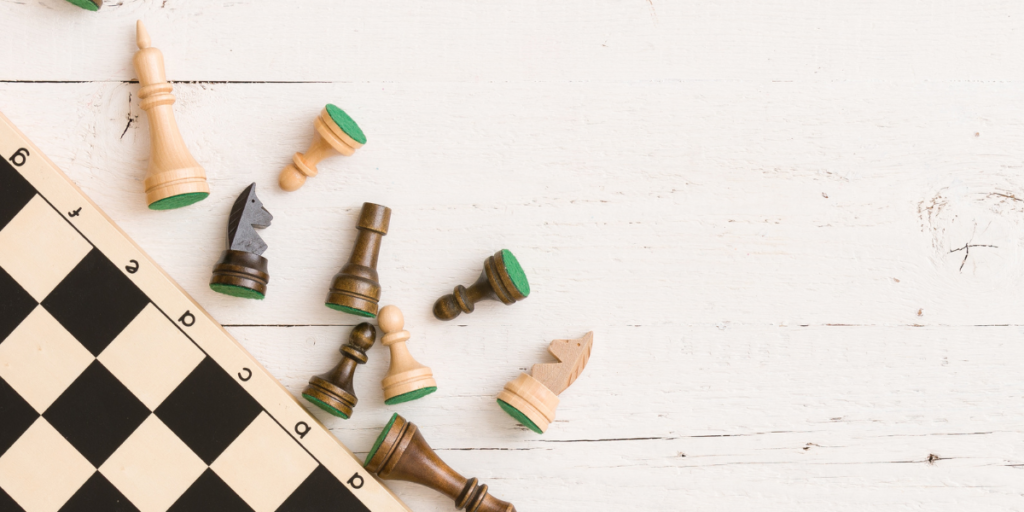
Practicing Effective Chess Methods
Practice Regimens
To become proficient at chess, it’s essential to establish practice regimens. This means setting aside regular time for focused learning and play.
For example, you can allocate 30 minutes each day to solve tactical puzzles or study game openings. By consistently practicing these skills, you’ll gradually improve your overall game strategy.
Creating a practice schedule is like training for a sport; the more you practice, the better you get. Consistency is key in developing your chess skills. It’s not about cramming hours of practice into one day but rather spreading out your learning over time.
Tactical Exercises
Engaging in tactical exercises is crucial for improving your chess abilities. These exercises involve solving puzzles that challenge your ability to recognize patterns and calculate moves ahead.
For instance, practicing tactics such as forks (attacking two pieces simultaneously) and pins (restricting the movement of an opponent’s piece) helps sharpen your strategic thinking during games.
Tactical exercises also help develop mental agility by requiring quick decision-making under pressure – a valuable skill both on and off the board! They enhance concentration and problem-solving abilities which are beneficial in various aspects of life.
Long-term Dedication
Long-term dedication is fundamental. Just like any other skill or discipline, becoming proficient at chess requires patience and perseverance over an extended period of time.
Progress may seem slow at first, but with consistent effort and determination, improvement will gradually become evident.
It’s important to remember that mastery doesn’t happen overnight; it takes months or even years of dedicated practice to see significant results in chess proficiency.
However, this long-term commitment often leads to a deep sense of accomplishment and satisfaction as you witness yourself progressing from novice player to skilled strategist.
Commitment to Chess Mastery
Long-term Dedication
Becoming a skilled chess player requires a significant amount of time and effort. It’s not something that happens overnight, but rather through long-term dedication.
This means consistently setting aside time to practice, study, and play chess. For example, many professional players spend hours each day honing their skills by solving puzzles or analyzing games.
Chess is like learning a musical instrument; it takes years of practice to become proficient. Just as musicians dedicate themselves to mastering their craft, chess players must commit to the game for the long haul.
This level of commitment can be challenging for some people who may prefer activities with more immediate rewards.
Reflective Learning
In addition to putting in the hours, reflective learning is crucial for mastering chess. This involves not only playing games but also taking the time to review and analyze them afterward. By studying past games, players can identify mistakes, recognize patterns, and develop strategies for improvement.
Reflective learning in chess also includes studying classic games played by grandmasters and understanding different opening variations and endgame techniques. Through this process of reflection and analysis, players gain a deeper understanding of the game’s complexities and nuances.
Conclusion
You’ve now uncovered the intricate layers of chess mastery, from mastering the basics and techniques to honing time management, strategy, and psychological resilience.
Embracing the dynamic nature of play and committing to consistent practice are vital for your growth as a chess player. Remember, just like mastering any skill, becoming a proficient chess player takes dedication and perseverance.
As you continue your chess journey, keep in mind that every move, win, or loss is a stepping stone toward improvement. Embrace the challenges, learn from each game, and most importantly, enjoy the process.
Whether you’re aiming to compete at a high level or simply want to enhance your strategic thinking, chess offers a world of possibilities for growth and enjoyment. So, grab your board, set up the pieces, and let the game of chess continue to enrich your life.
How difficult is it to learn chess?
Learning chess can be challenging at first, but with consistent practice and dedication, anyone can grasp the game’s fundamentals. It’s like learning a new language; it takes time and effort, but the rewards are worth it.
What are some essential techniques to memorize in chess?
Memorizing key opening moves, tactical patterns, and endgame strategies is crucial for improving your chess skills. Think of it like building a repertoire of tools that you can use strategically during a game.
Those who are better chess players will use the chess board as a tool and focus on the different pieces and the first step to make the first move.
How important is time management in chess?
Time management is vital in chess as it ensures you have ample time to make critical decisions during the game. Just like managing your time on a project or task, effective time management in chess allows you to allocate your resources wisely.
Why is developing a solid strategy essential in chess?
Developing a well-thought-out strategy helps guide your moves and decisions throughout the game. It’s akin to creating an intricate plan for achieving success – each move should align with your overarching strategic goals.
Is psychological preparation important in playing competitive games like chess?
Absolutely! The mental aspect of playing chess is significant. Developing resilience, focus, and confidence can greatly impact your performance. Think of it as preparing yourself mentally before running a race – having the right mindset makes all the difference.
While sometimes good luck plays a part in it and helps the better player, there is a lot of dedication that chess lovers have to have as well. Step outside your comfort zone and take the time to become an excellent chess player.
You’ll have a blast diving into the chess world and learning complex opening moves at the same time. You’ll also learn how to make fewer mistakes!